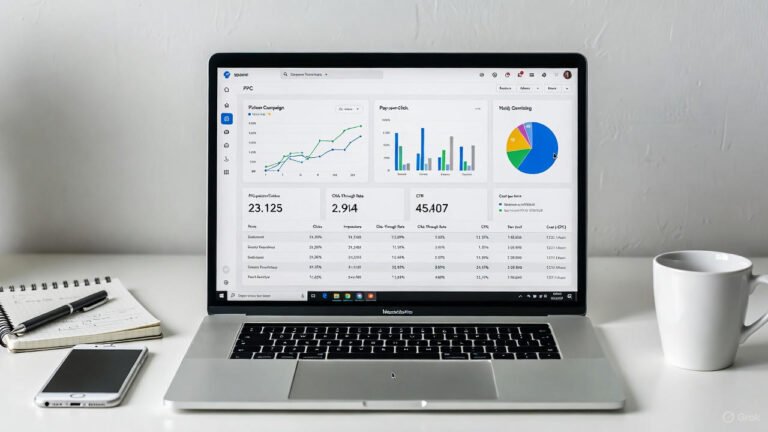

The influencer economy has exploded into a multi-billion dollar industry, with creators across platforms building personal brands and earning substantial incomes. However, managing content creation, audience engagement, analytics, and monetization requires more than just creativity; it demands the right tools. Understanding the Top Digital Marketing Apps for Influencers has become essential for creators looking to streamline workflows, maximize reach, and increase earnings in 2025’s competitive landscape.
From content scheduling to analytics tracking to brand collaboration platforms, today’s influencers leverage technology to work smarter, not harder. These digital marketing apps help creators maintain consistent posting schedules, understand audience behavior, negotiate better deals, and scale their influence across multiple platforms.
Influencers using the right Top Digital Marketing Apps for Influencers are seeing measurable outcomes, including higher engagement rates, increased follower growth, more lucrative brand partnerships, and streamlined workflows that prevent burnout. The explosive growth of creator-focused tools is not just changing how influencers work but also redefining what’s possible for individual creators competing in today’s attention economy.
Why Influencers Need Digital Marketing Tools
In 2025, influencers face more challenges than ever. With content flooding every platform, it has become harder to stay visible, track performance, and keep audiences engaged. Many creators struggle to balance posting schedules, analyze analytics, and maintain meaningful interactions with followers.
Digital marketing apps solve these problems by automating tasks and giving influencers the insights they need to grow.
- Time Management: Tools like Later and Buffer help influencers plan and schedule posts across multiple platforms, ensuring consistent content delivery
- Brand Collaborations: Platforms such as AspireIQ and Collabstr make it easier to connect with brands, manage sponsorships, and track campaign performance.
- Content Optimization and Analytics: Apps like Sprout Social and Notion AI analyze engagement data, helping influencers identify which content performs best.
- Monetization and Audience Targeting: Tools such as Patreon and Linktree enable creators to build direct income streams and reach specific audience segments effectively.
By integrating these tools, influencers can focus less on manual tasks and more on what matters most; creating authentic, high-performing content that drives real impact.
Top Digital Marketing Apps for Influencers in 2025
A. Content Creation & Design
Canva Pro
Canva Pro is the go-to design platform for influencers who need professional-quality visuals without advanced design skills. It offers thousands of customizable templates for Instagram posts, Stories, Reels thumbnails, TikTok videos, YouTube banners, and presentation decks. The platform’s Magic Resize feature allows creators to instantly adapt designs for different platforms, while Brand Kit stores logos, colors, and fonts for consistent branding. The AI-powered design suggestions help creators produce polished content quickly, even without formal design training.
Pros:
- Intuitive drag-and-drop interface perfect for beginners
- Massive template library covering all social media formats
Cons:
- Templates can be overused, leading to generic-looking content
- Limited advanced editing compared to professional software like Adobe
CapCut
CapCut has become the premier mobile video editing app for influencers, particularly those creating short-form content for TikTok, Instagram Reels, and YouTube Shorts. Owned by ByteDance (TikTok’s parent company), CapCut offers seamless integration with TikTok and provides access to trending effects, transitions, and sounds that help content go viral. The app’s AI-powered features include auto-captions, background removal, and smart editing that syncs cuts to music beats. As of 2025, CapCut has surpassed 200 million monthly active users, driven by its popularity among creators and influencers for short-form video editing.
Pros:
- Completely free with no watermarks or premium tiers
- AI auto-captions save hours of manual subtitle work
Cons:
- Mobile-first design limits functionality on desktop
- Can be resource-intensive on older smartphones
Notion AI
Notion AI combines project management with artificial intelligence to help influencers plan campaigns, write scripts, organize content calendars, and manage brand collaborations in one centralized workspace. Influencers use Notion to build comprehensive content databases, track brand partnerships, manage finances, and collaborate with teams or fellow creators. According to a report, Notion AI users reported saving an average of 7.2 hours per week on task organization, note generation, and project documentation allowing more time for creative and strategic work.
Pros:
- All-in-one workspace replacing multiple apps for planning and organization
- AI writing assistant speeds up content creation and brainstorming
Cons:
- Steep learning curve for new users unfamiliar with database structures
- Can become overwhelming without proper setup and organization
B. Analytics & Growth Tracking
Social Blade
Social Blade is the industry-standard platform for tracking influencer growth metrics across YouTube, Instagram, TikTok, Twitter, and Twitch. It provides detailed historical data showing follower/subscriber growth over time, estimated earnings for YouTube channels, and comparative analytics against other creators in your niche. Influencers use Social Blade to monitor their own performance trends, research potential collaboration partners, and provide verified statistics to brands during partnership negotiations.
Pros:
- Free access to basic metrics across multiple platforms
- Historical data helps identify long-term trends and patterns
Cons:
- Limited engagement metrics beyond follower/subscriber counts
- Earnings estimates can be wildly inaccurate
Later Analytics
Later combines content scheduling with powerful analytics specifically designed for visual platforms like Instagram, TikTok, and Pinterest. Its Best Time to Post feature analyzes your audience’s activity patterns and recommends optimal posting schedules to maximize reach and engagement. The platform provides detailed reports on which content types perform best, hashtag effectiveness, and Stories completion rates. Later’s visual content calendar shows your feed layout before posting, ensuring aesthetic cohesion.
Pros:
- Visual planning feature ensures feed aesthetics
- Scheduling and analytics combined in one platform
Cons:
- Limited to social platforms (no YouTube analytics)
- TikTok analytics less comprehensive than Instagram
HypeAuditor
HypeAuditor specializes in audience quality analysis, helping influencers verify their followers are real, engaged humans rather than bots or fake accounts. This is crucial when pitching to brands, as it proves your audience authenticity and justifies your rates. According to HypeAuditor’s 2025 Influencer Marketing Benchmark Report, over 75% of global brands now use AI-powered influencer analytics platforms like HypeAuditor to detect fake followers and measure engagement authenticity.
Pros:
- Verifies audience authenticity for brand partnerships
- Detailed demographic breakdowns valuable for pitching
Cons:
- Primarily useful for influencers actively seeking brand deals
- Limited value for smaller creators (under 10K followers)
C. Scheduling & Automation
Buffer
Buffer is a comprehensive social media management platform that allows influencers to schedule posts across Instagram, Facebook, Twitter, LinkedIn, Pinterest, and TikTok from one dashboard. Its clean, intuitive interface makes it easy to plan weeks of content in advance, with a visual calendar showing what’s scheduled across all platforms. Buffer reports that brands using its analytics and scheduling features see an average 20% increase in post consistency and 2x engagement growth over three months.
Pros:
- Clean, user-friendly interface with minimal learning curve
- Supports major social platforms in one dashboard
Cons:
- Instagram features limited compared to Later or Planoly
- No content creation tools (requires external apps)
Metricool
Metricool goes beyond simple scheduling to provide comprehensive social media management with deep analytics, competitor tracking, and advertising management. The platform’s strength lies in its detailed reporting, showing not just what you posted but how it performed relative to competitors and industry benchmarks. Metricool also tracks hashtag performance, optimal posting times, and audience demographics across platforms.
Pros:
- Supports more platforms than most competitors
- Detailed analytics including competitor benchmarking
Cons:
- Interface can feel cluttered with so many features
- Learning curve steeper than simpler tools like Buffer
RecurPost
RecurPost specializes in evergreen content automation, allowing influencers to create content libraries that automatically recycle and repost over time. This is perfect for educational content, tips, quotes, or promotional material that remains relevant long after initial posting.
D. Brand Collaboration & Monetization
Collabstr
Collabstr is a marketplace connecting influencers with verified brands seeking partnerships, making it easier for creators to find sponsored content opportunities without cold pitching or relying on agencies. The platform vets both brands and influencers, ensuring quality partnerships and reducing scam risk. According to Collabstr’s 2025 Influencer Marketing Report, 84% of brands plan to invest more in influencer collaborations in 2025, and micro-influencers now drive 60% of campaign engagement.
Pros:
- Verified brands reduce scam and non-payment risks
- No upfront costs or membership fees (20% platform fee on earnings)
Cons:
- 20% platform fee reduces overall earnings
- Competition high for popular niches
Aspire (AspireIQ)
Aspire streamlines influencer-brand partnerships by managing campaigns, content approval, and payments in one platform. Its creator marketplace connects influencers with major brands, with users reporting 50% faster payment processing and increased collaboration opportunities through professional workflow management.
Pros:
- Professional platform enhances credibility with major brands
- Streamlined workflow from negotiation to payment
Cons:
- Primarily designed for established influencers with significant reach
- Platform takes a percentage of earnings (typically 10-15%)
Impact.com
Impact.com offers advanced partnership management combining influencer marketing with affiliate and performance-based compensation. Its sophisticated tracking attributes conversions and sales directly to influencer content, with performance-based creators earning 40% more than flat-fee arrangements through measurable ROI demonstrations.
Pros:
- Performance-based earnings can significantly exceed flat fees
- Enterprise-level tracking provides concrete ROI data
Cons:
- Complex platform with steep learning curve
- Best suited for influencers comfortable with affiliate/performance models
Conclusion
In 2025, top digital marketing apps for influencers are transforming how creators manage their online presence. These tools simplify content creation, automate scheduling, and provide powerful analytics for smarter growth. Whether it’s editing videos with CapCut, tracking performance with Later, or managing partnerships on Collabstr, these platforms help influencers stay competitive and efficient. By combining creativity with technology, influencers can strengthen their brand, reach wider audiences, and boost their earnings sustainably.
Frequently Asked Questions
Which digital marketing app is best for influencers in 2025?
It depends on your goal. For content creation, CapCut is excellent; for analytics, Later or Buffer performs well; and for brand deals, Collabstr and HypeAuditor are top choices.
How do these apps help influencers make more money?
They improve efficiency, increase engagement rates, and provide data insights that help influencers target the right audience, attract better sponsorships, and manage multiple campaigns seamlessly.