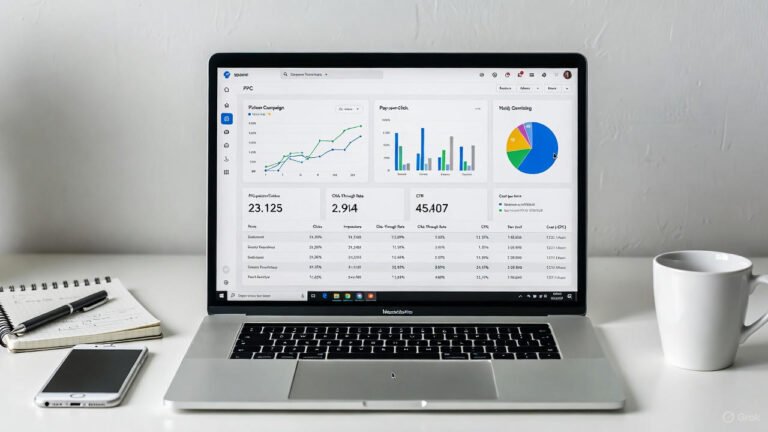


Managing multiple social platforms efficiently has become essential for anyone serious about online growth. In 2025, automation is no longer optional, it’s a necessity. That’s why knowing the top social media automation apps to try in 2025 can make all the difference in saving time, boosting engagement, and improving consistency across channels.
From intelligent scheduling systems to AI-powered engagement tools to comprehensive analytics dashboards, today’s automation apps are transforming how brands manage their online presence. These platforms handle repetitive tasks, optimize posting times, and provide actionable insights that would require entire teams to accomplish manually.
Recent studies show that over 70% of digital marketers use automation tools to enhance productivity and engagement. Whether you’re a small business owner, influencer, or social media manager, adopting the right automation app can help you grow faster and smarter in today’s digital world.
Why Social Media Automation Has Become Non-Negotiable in 2025
In 2025, social media demands have reached unprecedented levels. Algorithms favor accounts that post consistently, respond quickly, and engage authentically across multiple touchpoints. According to recent industry data, brands that post at least once daily across major platforms see 2.3x higher engagement rates than those with sporadic schedules. Meanwhile, 78% of consumers expect brands to respond to social media inquiries within an hour.
These expectations create an impossible workload for manual management. Many businesses and creators struggle to maintain presence across Instagram, TikTok, LinkedIn, Twitter, Facebook, and emerging platforms while simultaneously analyzing performance, engaging with audiences, and creating fresh content.
Social media automation apps solve these challenges by handling time-consuming tasks while preserving the authentic human touch that audiences value:
- Time Efficiency: Tools like Hootsuite and Sprout Social enable users to schedule weeks of content in minutes, with intelligent queuing systems that optimize posting times based on audience activity patterns.
- Consistent Presence: Platforms such as Buffer and Later ensure content goes live even during off-hours, weekends, or vacations, maintaining the algorithmic favor that comes from regular posting schedules.
- Intelligent Engagement: Apps like ManyChat and Agorapulse automate initial responses and comment management while flagging important conversations for personal follow-up, balancing efficiency with authenticity.
- Data-Driven Optimization: Tools such as Metricool and Sendible automatically track performance metrics, generate reports, and provide recommendations, turning raw data into actionable growth strategies.
By implementing these automation solutions, businesses and creators can redirect their energy from repetitive administrative tasks toward high-value activities: strategic planning, creative content development, and building genuine relationships with their audience.
Top Social Media Automation Apps to Try in 2025
A. Scheduling & Publishing Platforms
1. Buffer
Buffer is a streamlined social media management platform designed for small teams and solo entrepreneurs who need straightforward scheduling without overwhelming complexity. It supports Instagram, Facebook, Twitter, LinkedIn, Pinterest, and TikTok from one intuitive dashboard. Buffer’s analytics provide clear insights into post performance, optimal posting times, and engagement trends. The platform’s simplicity makes it perfect for users who want effective automation without extensive training or complicated features that go unused.
Pros:
- Clean, beginner-friendly interface with minimal learning curve
- Affordable pricing tiers suitable for small businesses and startups
- Mobile app allows scheduling on-the-go
Cons:
- Limited advanced features compared to enterprise tools
- Instagram Stories scheduling requires notifications rather than automatic posting
- Basic analytics may not satisfy data-heavy users
Ideal Use Case: Small businesses, solopreneurs, and startups seeking simple, affordable scheduling across major platforms without complex features.
2. Later
Later combines visual content planning with powerful scheduling specifically designed for Instagram, TikTok, Pinterest, and Facebook. Its drag-and-drop visual calendar lets creators see exactly how their feed will look before posting, ensuring aesthetic cohesion. The platform’s Best Time to Post feature analyzes audience activity patterns and recommends optimal scheduling.
Pros:
- Visual grid preview ensures feed aesthetics before publishing
- Strong Instagram and TikTok feature integration
- Free plan available for beginners testing automation
Cons:
- Limited support for text-heavy platforms like Twitter and LinkedIn
- Video scheduling features less robust than competitors
- Analytics focused primarily on Instagram, less comprehensive for other platforms
Ideal Use Case: Instagram and TikTok creators, lifestyle brands, and visual marketers who prioritize aesthetic consistency and engagement on image-focused platforms.
3. Hootsuite
Hootsuite is an enterprise-grade social media management platform offering comprehensive scheduling, monitoring, and team collaboration tools across 35+ social networks. Its powerful streams dashboard allows users to monitor mentions, keywords, hashtags, and competitor activity in real-time. A 2024 report by Hootsuite found that marketers who automate social media scheduling save up to 12 hours weekly—time they can reinvest in strategy and content creation.
Pros:
- Supports more platforms than virtually any competitor
- Advanced team collaboration with approval workflows and role assignments
- Robust monitoring and listening features for brand reputation management
Cons:
- Expensive pricing makes it prohibitive for small businesses
- Interface can feel overwhelming with extensive features
- Steeper learning curve requires training time
Ideal Use Case: Large enterprises, agencies, and corporations managing multiple brands across numerous platforms with teams requiring collaboration tools and advanced monitoring.
B. Analytics & Performance Tracking
4. Metricool
Metricool provides centralized performance analytics across social media, Google, and advertising platforms in one comprehensive dashboard. Beyond basic engagement metrics, it tracks competitor performance, hashtag effectiveness, optimal posting times, and audience demographics. The platform’s strength lies in its detailed reporting that compares your performance against industry benchmarks and direct competitors.
Pros:
- Unified dashboard tracking social media, web analytics, and advertising
- Competitor analysis provides valuable benchmarking context
- Detailed reports with actionable recommendations for improvement
Cons:
- Interface dense with data, potentially overwhelming for beginners
- Advanced features require higher-tier paid plans
- Customer support response times can be slow
Ideal Use Case: Data-driven marketers, growth teams, and businesses requiring comprehensive cross-platform analytics with competitive intelligence to inform strategic decisions.
C. Agency & Multi-Client Management
5. Sendible
Sendible is specifically engineered for agencies and freelancers managing multiple client accounts simultaneously. Its white-label capabilities allow agencies to rebrand the platform with their own logo and domain, while client-specific dashboards provide transparent reporting without exposing other accounts. According to G2 reviews, 92% of Sendible users report improved social media management efficiency, highlighting its effectiveness in streamlining automation and scheduling workflows.
Pros:
- White-label branding enhances agency professionalism and client experience
- Client-specific dashboards with customizable reporting
- Centralized billing and client management features
Cons:
- Pricing structure based on client count can become expensive at scale
- Learning curve for agencies transitioning from other platforms
- Some integrations less robust than specialized single-client tools
Ideal Use Case: Social media agencies, marketing consultancies, and freelancers managing 5+ client accounts who need professional client presentation and streamlined multi-account workflows.
D. Workflow Automation & Integration
6. Zapier
Zapier is a powerful automation platform connecting 6,000+ apps to create custom workflows without coding. For social media, this means automatically sharing blog posts to Twitter when published, saving Instagram mentions to spreadsheets, posting YouTube videos to Facebook, or triggering email sequences when someone comments on LinkedIn. Zapier’s “Zaps” are conditional workflows that move data between apps based on triggers and actions you define, enabling deep automation customized to specific business needs. According to Zapier’s 2023 Automation Report, 80% of small businesses say automation tools like Zapier help them save up to 10 hours per week, allowing teams to focus more on growth and creativity.
Pros:
- Connects virtually any app ecosystem for unlimited automation possibilities
- No coding required; visual workflow builder accessible to non-technical users
- Pre-built templates for common social media automation scenarios
Cons:
- Can become expensive as task volume increases
- Troubleshooting failed Zaps requires understanding of how integrations work
- Some integrations limited by API restrictions from third-party apps
Ideal Use Case: Tech-savvy marketers and businesses with complex workflows requiring custom automation across multiple platforms and tools beyond standard social media management.
7. Publer
Publer combines traditional scheduling functionality with AI-assisted content creation, offering caption generation, post variations, and content suggestions powered by artificial intelligence. The platform supports all major social networks with features like bulk scheduling from CSV files, automatic link shortening, and watermark addition.
Pros:
- AI-powered caption writing saves creative time and overcomes writer’s block
- Bulk scheduling from spreadsheets ideal for planning large campaigns
- Affordable pricing with generous free tier
Cons:
- AI-generated content requires editing to ensure brand voice consistency
- Newer platform with smaller user community than established competitors
- Some platform-specific features still in development
Ideal Use Case: Content creators and small marketing teams seeking AI assistance for caption writing and content ideation while maintaining affordable, user-friendly scheduling capabilities.
Conclusion
In 2025, top social media automation apps to try in 2025 are transforming how brands manage their digital presence. These tools streamline scheduling, enhance analytics, and automate engagement, allowing marketers to focus on strategy and creativity. By leveraging the right automation platform, businesses can scale their social media efforts efficiently while maintaining authentic connections with their audience.
FAQs – Top Social Media Automation Apps to Try in 2025
What is a social media automation app?
A social media automation app is a tool that helps you schedule, publish, and analyze your social media posts automatically. It saves time by handling repetitive tasks such as posting content, tracking analytics, and managing multiple accounts in one place.
Can automation affect authenticity on social media?
Only if it’s overused. The best approach is to automate repetitive tasks (like scheduling) while still engaging manually with your audience through comments, messages, and live posts. Balance automation with genuine interaction.
Are social media automation apps worth it in 2025?
Absolutely. With the growing demand for consistent content and multi-platform management, social media automation apps are essential for staying productive and competitive. They save time, reduce stress, and ensure your brand maintains a strong online presence.