
Chatbots have transformed from basic customer support tools into sophisticated lead generation powerhouses that actively drive e-commerce revenue. What began as automated FAQ systems has evolved into intelligent conversational platforms capable of identifying prospects, qualifying leads, and guiding visitors through the sales funnel with minimal human intervention.
Understanding Chatbot ROI in Lead Generation has become essential for e-commerce businesses looking to maximize their marketing investments in 2025. Today’s AI-powered chatbots proactively engage website visitors, capture contact information, and nurture prospects toward purchase decisions. According to Master of Code, 55% of businesses using chatbots generate higher-quality leads within the first six months, demonstrating tangible impact on lead quality and conversion rates.
The growing impact of Chatbot ROI in Lead Generation on e-commerce growth is undeniable. Online stores leveraging chatbot technology report improved visitor-to-lead conversion rates, reduced customer acquisition costs, and accelerated sales cycles while delivering measurable returns that justify implementation costs.
What Chatbot ROI in Lead Generation Means for Online Stores
Chatbot ROI in Lead Generation measures the financial return e-commerce businesses achieve by using conversational AI to capture, qualify, and convert website visitors into sales-ready leads. Key metrics include conversion rate improvements, lead quality scores, cost per lead reduction, and response time acceleration. E-commerce stores also track lead volume increases, sales cycle reduction, and customer lifetime value to understand how chatbots impact revenue beyond simple cost savings.
In simple terms, the ROI equation compares the cost of implementing and maintaining a chatbot (software fees, setup, and training) against the benefits it delivers such as more qualified leads, faster responses, and increased conversions. For instance, a chatbot that costs $200 per month but generates $2,000 in verified sales leads provides a clear, trackable return on investment.
It’s also important to note the difference between support chatbots and lead generation chatbots. Support chatbots focus on solving customer issues and improving satisfaction, while lead generation chatbots are designed to collect data, nurture interest, and drive purchases. The latter typically offers a more direct impact on ROI since every conversation has the potential to turn into a sale or a qualified lead.
Key Statistics Showing Chatbot ROI in Lead Generation
- Companies integrating chatbots into their marketing and sales funnels have experienced up to a 67% boost in sales, proving their strong ROI in driving conversions.
- The adoption of chatbots across websites and mobile apps has grown by 92%, showing how essential they’ve become for modern digital engagement.
- Around 68% of users say they appreciate chatbots for their quick responses, highlighting how speed directly impacts user satisfaction and conversion potential.
- The global chatbot industry is projected to reach $27.3 billion by 2030, highlighting rapid growth and increased investment in chat automation.
- In a Tidio-based survey, 20% of page visitors engage with “upselling” chatbots, indicating significant potential for chatbots to generate revenue beyond basic support.
- 62% of consumers say they prefer interacting with a chatbot over waiting to speak with a human agent, underlining how speed and instant response are major factors in lead generation.
- Businesses using AI chatbots report up to a 67% rise in lead conversions alongside a 90% reduction in response times.
- Smart lead qualification via chatbots improves the quality of leads by 15-25%, helping sales teams focus on prospects more likely to convert.
- Nearly all users (88%) have interacted with a chatbot in 2025, which shows how common they’ve become for capture and engagement.
- Online stores using chatbots report up to 3-times higher conversion into sales compared to traditional website forms.
Real-World Examples of Chatbot ROI in Lead Generation
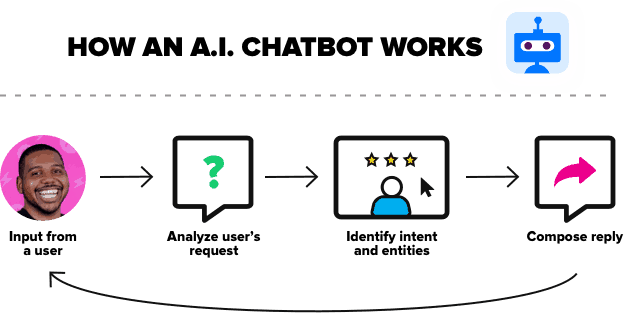
Case Study 1: Offset Solar — Boosting Qualified Leads with ManyChat
Offset Solar, a renewable energy company, used ManyChat to qualify visitors and schedule consultations directly through Facebook Messenger. The chatbot automated lead capture, asked screening questions, and connected hot leads to the sales team.
Results:
- Over $1.2 million in revenue generated from chatbot-qualified leads
- Reduced lead response time from hours to seconds
- Increased appointment bookings by 300%
Takeaway:
Automated chat flows can dramatically improve lead quality and shorten the customer journey turning interest into sales faster.
Case Study 2: Intent Amplify – Using Drift to Boost Demo Bookings by 150%
Intent Amplify, a B2B marketing solutions provider, integrated Drift’s AI-powered chatbot into their website to automate demo bookings and qualify leads based on engagement behavior.
Results:
- 150% increase in demo bookings
- 72% faster response to qualified leads
- 35% improvement in lead-to-opportunity conversion rate
Takeaway:
Drift’s AI chatbots show how personalized automation can significantly boost ROI by converting conversations into qualified leads and booked meetings.
Case Study 3: Pearl Lemon – Turning Missed Website Visitors into 70+ Extra Monthly Leads
A digital agency, Pearl Lemon, struggled to capture and convert website visitors across multiple business divisions (PR, marketing, accounting, and legal). They adopted Tidio, an AI chatbot, to automate lead qualification and offer instant responses 24/7.
Results:
- 30% increase in website-to-lead conversions
- 70+ additional leads captured monthly
- Response times reduced by over 50%
Takeaway:
Even service-based businesses can achieve measurable Chatbot ROI in Lead Generation by using AI chatbots to engage visitors instantly and reduce response delays.
Case Study 4: Shopify Store Using Drift to Recover Abandoned Carts
A Shopify-based fashion retailer faced a high cart abandonment rate and inconsistent lead recovery. By integrating Drift, they automated cart recovery messages and follow-up sequences to re-engage shoppers in real time.
Results:
- 28% increase in recovered carts
- 35% higher conversion rate from retargeted visitors
- Customer response time reduced from hours to seconds
Takeaway:
Drift’s conversational automation helps online stores convert hesitant shoppers into paying customers, showcasing measurable Chatbot ROI in Lead Generation through improved conversions and engagement.
Read more on our article on AI Chatbots for E-Commerce Growth to know the best AI chatbots for your online store.
Future of Chatbot ROI in Lead Generation
The future of chatbot lead generation lies in predictive AI that identifies purchase intent before users act, proactively engaging high-value prospects. Integration with voice assistants like Alexa and Google Assistant will enable conversational commerce across devices. AI-driven emotional intelligence will create human-like interactions that build trust and improve conversion rates.
Conclusion
AI chatbots have evolved from simple customer service assistants into essential tools for e-commerce growth. They help online stores capture more leads, convert hesitant visitors, and retain loyal customers through personalized, 24/7 interactions. By streamlining communication and automating engagement, chatbots reduce response times and boost overall customer satisfaction.
In today’s competitive digital marketplace, investing in AI chatbots is no longer just a technological upgrade, it’s a strategic decision that enhances Chatbot ROI in Lead Generation and drives long-term, sustainable business growth.
Frequently Asked Questions
How do chatbots improve lead generation ROI?
Chatbots boost ROI by automating customer interactions, capturing qualified leads faster, and providing instant responses that increase conversion rates.
Are AI chatbots suitable for small e-commerce stores?
Yes, many affordable chatbot tools like Tidio and ManyChat offer scalable solutions that help small businesses generate leads and improve customer engagement efficiently.